1 City St George’s, University of London, London, UK
2 BIODUR ® Products GmbH, Heidelberg, Germany
Plastination is a preservation technique for human and animal tissues that produces highly durable specimens that, with appropriate care, last indefinitely. However, due to their durability, few crematoriums/incineration plants have experience with their disposition. This paper aims to determine whether cremation is an appropriate and safe disposition method for plastinates by investigating the thermal disposability of three silicone- or epoxy-impregnated specimens. Investigations also included the legal compliance within the UK and Germany. Following incineration, the thermal disposability of each specimen was investigated, chiefly the calorific value and ash melting behavior. Additionally, the UK waste management company Stericycle and the German Crematorium Krematorium am Limes were interviewed regarding compliance and regulatory standards to ensure the data fell within their appropriate remits. Thermal disposability testing revealed that all specimens produced the expected results for incinerated plastic; the most important being the calorific value, as it positively correlates with overall energy output. All three specimens' calorific value fell within the expected range of plastics (21.90 - 43.20 MJ/Kg), with the epoxy specimen having the highest value of 26.23 MJ/Kg. Calculations show cremation of a whole plastinated body with a pine coffin is completely appropriate and acceptable, as the total energy output (1138MJ) is lower than the total energy output of an oak coffin alone (1208MJ). Therefore, the combustion chambers of both crematoriums and incineration plants are suitable for the thermal degradation of plastinated specimens. Interviews with Stericycle and a crematorium manager confirmed that it is permissible to incinerate plastinated specimens, as compliance with regulations was upheld. Our findings demonstrate that crematorium combustion chambers are suitable and safe for the disposition of plastinated specimens, as the relevant technical and legal standards for the UK and Germany were met. Therefore, this paper can serve as a disposal guide for both crematorium and incineration plant operators, as well as for institutions housing plastinated specimens. However, as no investigations into the potential of flue gas pollutants have been conducted, future chemical tests are required. These results would not influence the technical incineration procedure, but may affect the feasibility of plastination incineration, as regulations regarding potential environmental impact must be met.
calorific value; cremation; plastination; slag formation; thermal disposability
BIODUR® Products GmbH, Im Bosseldorn 17, 69126 Heidelberg, Germany
jessicaruthantill@gmail.com





Developed by Gunther von Hagens in 1977 (von Hagens et al., 1987), plastination is a highly effective preservation technique of biological tissue, replacing lipids and water with polymers (silicone, epoxy resin, or polyester). These polymers subsequently harden, creating durable, odorless specimens that are easier to store and safer to use than traditional wet prosected specimens (Hayat et al., 2018). Plastinated specimens have become an increasingly popular resource for the anatomical education of human and veterinary physicians, and also for the general public (Body Worlds Museum) (Sora et al., 2019).
A key advantage of plastinated specimens is their durability; with appropriate care, plastinates are made to last indefinitely (von Hagens et al., 1987), providing a more sustainable and robust alternative to wet specimens. Despite their longevity, scenarios arise in which the disposal of plastinates is required, for example, when the specimen is no longer in use, microbial degradation occurs due to improper storage conditions, or a failure occurs during the plastination procedure.
Anatomical material is disposed of in one of two ways: burial or thermal decomposition (cremation or incineration), with thermal treatment being the preferred and default method. Regarding plastinated anatomical material, because the plastination process permanently preserves the specimen, burial is not an appropriate disposition method, as decomposition is not achievable. This leaves cremation/incineration as the only viable disposal method for plastinated specimens.
However, because plastinated specimens are inherently plastic, this raises concerns about the safety and feasibility of their disposition by incineration. Equally, due to the extended durability of plastinates, few crematoria or incineration plants have experience with their disposition.
This study, therefore, aimed to determine if thermal decomposition is an appropriate and safe disposition method for plastinates through:
Part 1: Investigating the thermal disposability of three silicone or epoxy impregnated specimens
Part 2: Reviewing the legal compliance procedures within the UK and Germany.
Types of Plastinated Specimens
The three most widely used plastination techniques are silicone (S10), epoxy resin (E12), and polyester (P40). Preservation with silicone – the most common technique – is used for 3D specimens, whereas epoxy resin and polyester are used for sheet plastination, where the specimen has been thinly sliced (1-4 mm) (Sora et al., 2019). The three specimens used in this study were silicone- and epoxy resin-plastinated specimens. No P40 specimens were used due to their unavailability at the time of the experiment.
Thermal disposability experiments were conducted by the Institute of Combustion and Power Plant Technology, Stuttgart University, Germany, in 2018 (Schmid and Ross, 2018). Details of the specimens used in the experiment are shown in Table 1. All three specimens were sourced from Gubener Plastinate, Germany, and were unsuitable for teaching or display and therefore required disposition.
| Specimen ID | Plastination process | Anatomical material | Bone content |
| S-nb
(Silicone – no bone) |
Silicone | Goat – lung tissue | No |
| S-b
(Silicone – bone) |
Silicone | Human – shoulder slice | Yes |
| ER-b
(Epoxy resin – bone) |
Epoxy resin | Giraffe – pelvis slice | Yes |
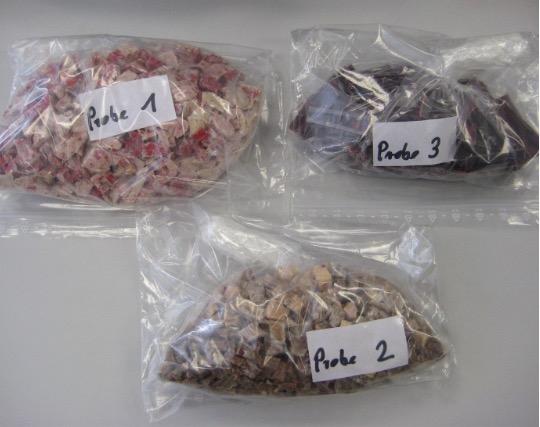
Figure 1. Photograph of specimens as provided to the Institute for Combustion and Power Plant Technology: Probe 1: S-nb. Probe 2: S-b. Probe 3: ER-b (see Table 1)
The samples had been plastinated following the silicone S10 standard technique or the E12 epoxy technique. All plastination chemicals had been sourced from BIODUR® Products, Heidelberg, Germany. The silicone plastination chemicals used were: S10, S3 (hardener), S6 (cross-linker); epoxy resin plastination chemicals were: E12 (resin), AE10 (additive), E1 (hardener), A-60 (additional thiochemical hardener, only available for internal use within BIODUR® Products). N.B. The additive AE10 has since been replaced with AE20, however there are no consequences for the interpretation of the results.
To understand how plastinates respond to heat for their final disposition, following thermal disposability investigations were conducted (Table 2):
| Investigation step | Process | Method used |
| 1. | Samples were shredded | Pieces of approx. 300 g were prepared using a sharp knife or a side cutter. Silicone samples were cut into cubes of 15 - 25 mm side length. The epoxy sample was taken from a larger slice of approx. 2 mm thickness and cut into small pieces of approx. 15 x 15 – 15 x 30 mm. |
| 2. | Pre-shredded subsamples were treated with liquid nitrogen, then crushed to a particle size of <0.5 mm. | DIN EN 15413
Crushing of the pre-shredded material was completed after liquid nitrogen treatment to enhance brittleness using a blade granulator (Retsch GmbH, Haan, Germany) |
| 3. | Moisture content, combustible substances content, and ashes content were determined with a thermogravimetric analyzer | Similar to DIN CEN/TS 15414-3 DIN EN 15402 DIN EN 15403 |
| 4. | Elemental composition | DIN EN 15407 DIN EN 15408 |
| 5. | Calorific value | DIN EN 15400 |
| 6. | Ash melting behavior | DIN CEN/TR 15404 |
| 7. | Main ash elements | DIN EN 15410, method B |
| 8. | Ash trace elements | DIN EN 15411, method A |
The German Crematorium “Krematorium am Limes” (Fig.2) and the UK waste management company “Stericycle” were interviewed in 2025 to assess the legal compliance of incinerating plastinated specimens.
Questions asked:
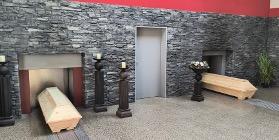
Figure 2. Photograph of Krematorium am Limes
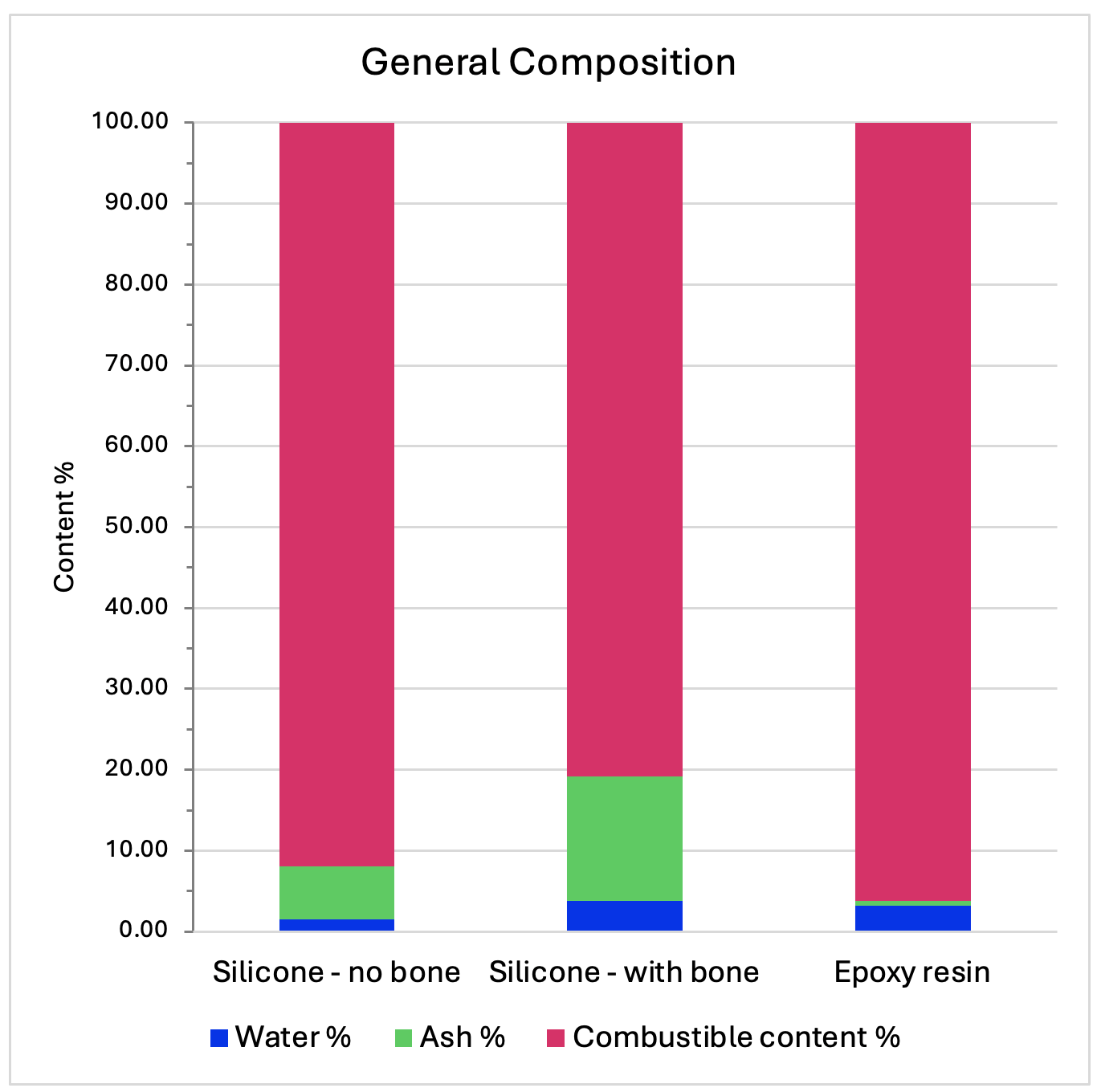
Figure 3. General composition of the incinerated samples
As can be seen in Figure 3, the combustible components made up the by far biggest portion of the samples. Ash content varied between 0.5% and 15.4% while water was present in portions of 1.5% to 3.8%.
All three specimens show an overall similar elemental composition; carbon content varied between 36.90% – 59.30% and oxygen 25.80% – 46.20%. Hydrogen and nitrogen had the smallest variation, 6.61% - 7.84% and 2.14% - 3.75%, respectively (Fig. 4). Only the epoxy resin specimen contained sulphur, which originated from the thiochemical epoxy hardener used.
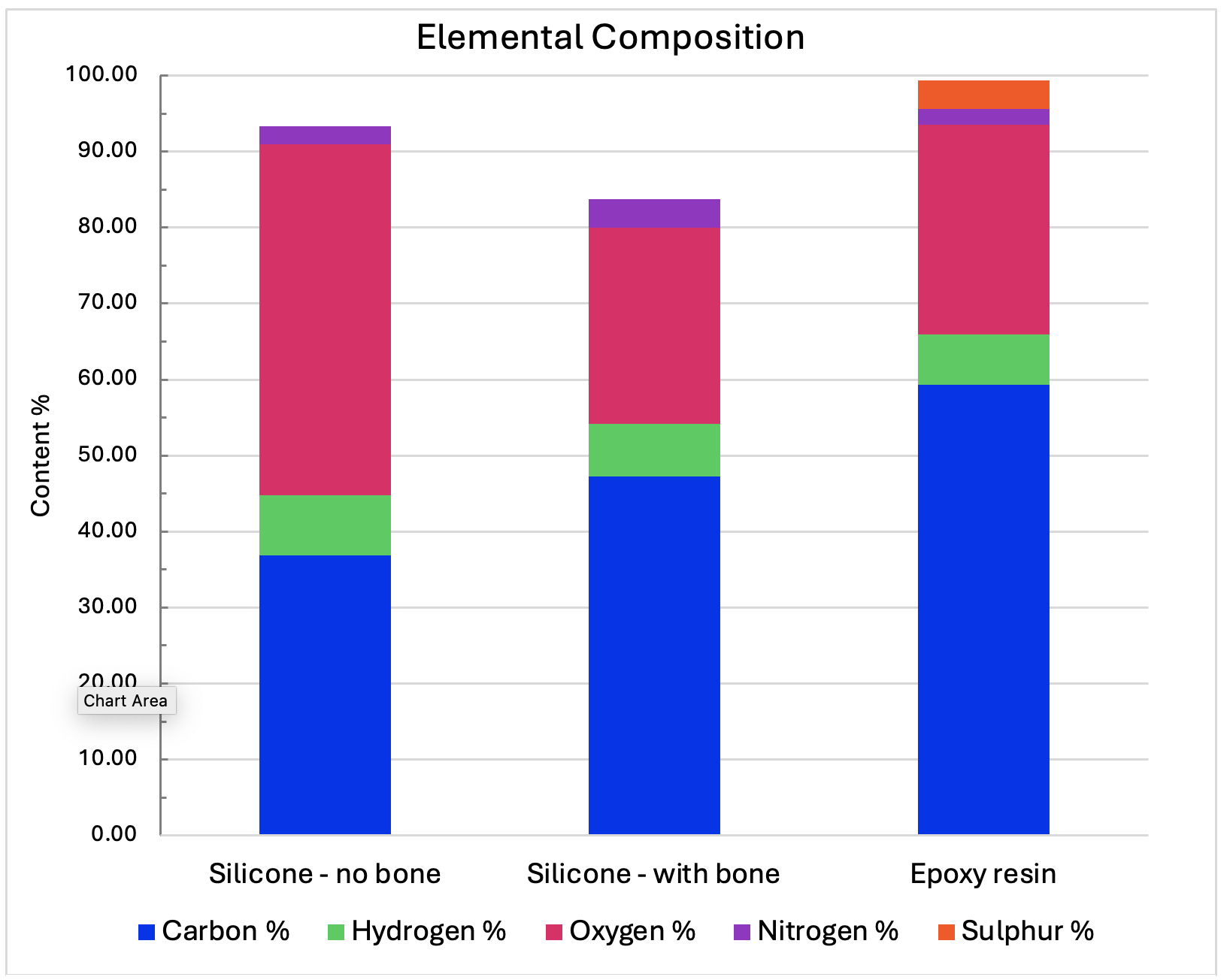
Figure 4. Elemental composition: only elements >1% included in analysis
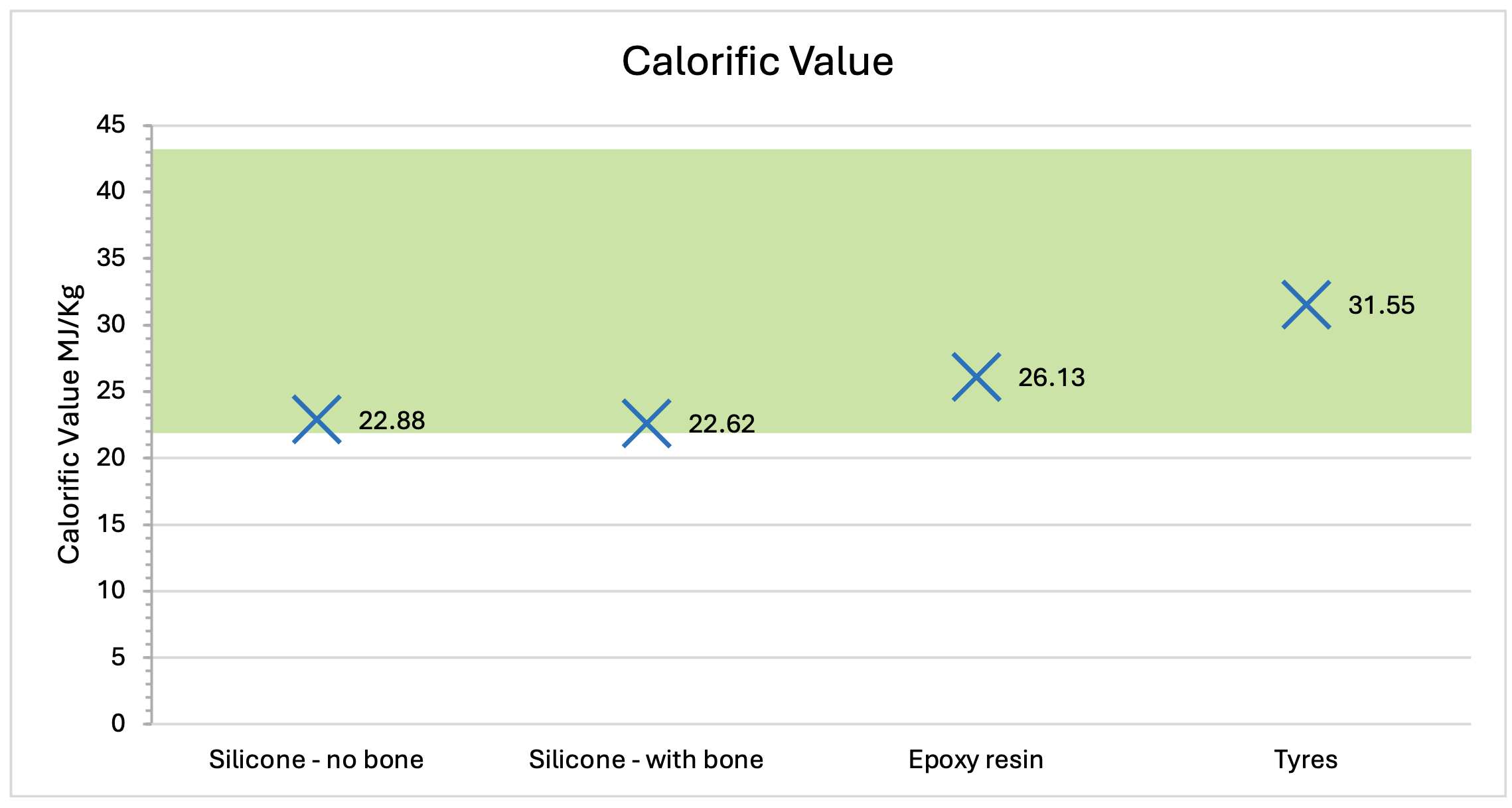
Figure 5. Calorific value: green shading shows the calorific value for plastics; the value for tires is given for reference
All specimens produced a calorific value typical of plastics (Fig. 5). Green indicates the range of calorific values for plastics, 21.90-43.20 MJ/Kg (Abdulyekeen et al., 2021). The calorific value for tires is given for reference.
| Specimen |
Ash melting behaviour (°C) |
||
| Start of sintering | Softening temperature | Flow temperature | |
| S-nb | 600 | Not recognisable | Not recognisable |
| S-b | 900 | Not recognisable | Not recognisable |
| ER-b | 980 | 1450 | 1480 |
Table 3 shows the ash melting behavior of the samples examined. ‘Not recognizable’ temperatures indicate that the temperature was not high enough to achieve softening or flow of the ash. Flow temperature is the temperature at which ash flows like a liquid. All three specimens exhibited high ash-melting behavior.
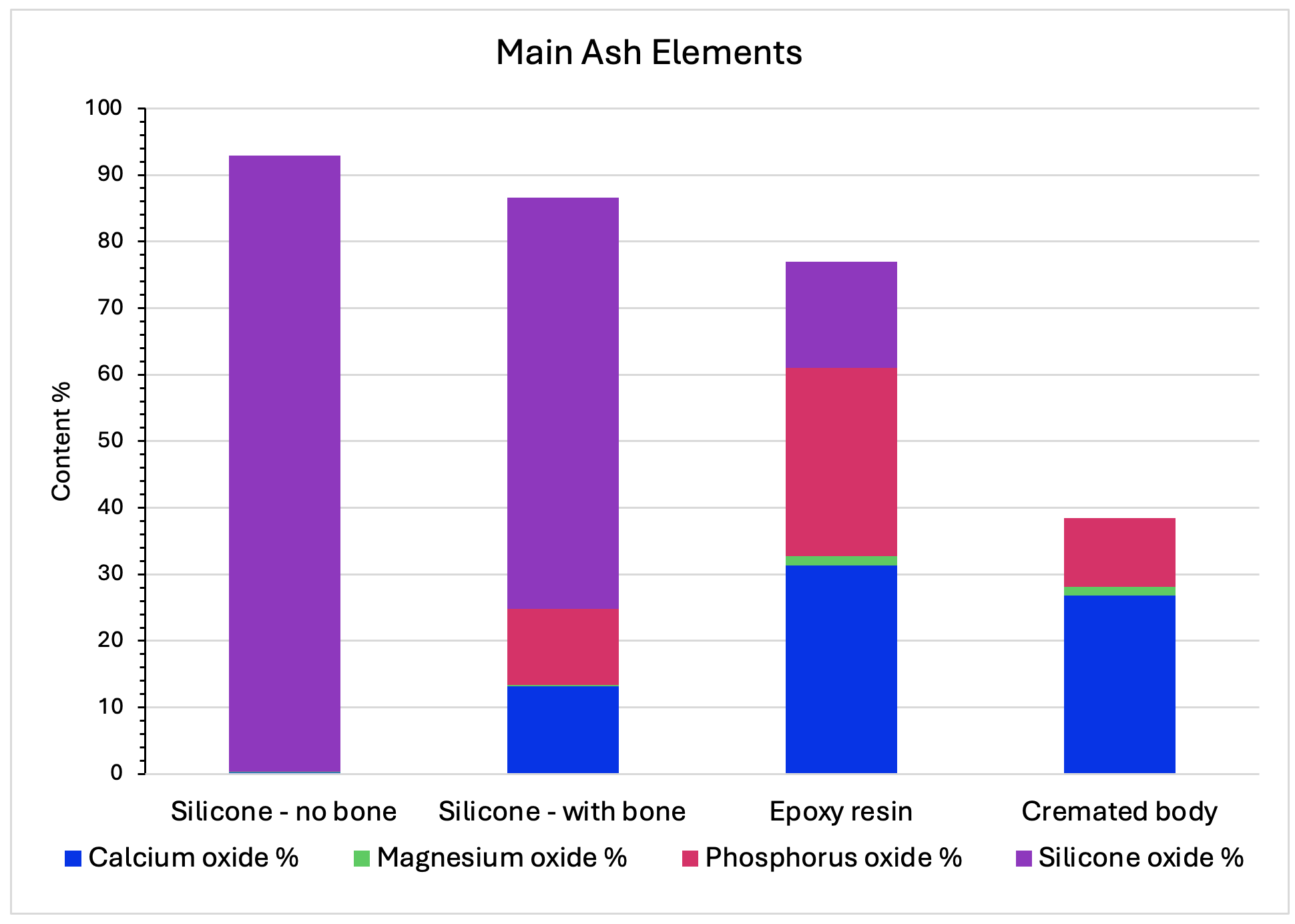
Figure 6. Main ash elements: only elements >1% included in analysis
As expected, the results shown in Figure 6 demonstrate that only the bone-containing specimens contained calcium and phosphorus, reflecting the presence of bone. The only element >1% for the S-nb specimen was silicone oxide at 92.5%. Cremated body results are provided for comparison (Rikhvanov et al., 2014).
| Element mg/Kg | S-nb | S-b | ER-b | Earth crust | Incineration slag* | ||
| Chromium | 15.40 | 17.20 | 35.80 | 100.00 | 295-1617 | ||
| Copper | 58.50 | 11.50 | 79.70 | 60.00 | 1245-5823 | ||
| Nickle | 4.31 | 6.06 | 12.00 | 80.00 | 90-260 | ||
| Lead | <1 | 3.85 | 12.10 | 14.00 | 1108-3900 | ||
| Tin | 608.00 | 9310.00 | 130.00 | 2.20 | no data | ||
| Zinc | 38.60 | 393.00 | 1690.00 | 75.00 | 1795-5255 | ||
|
Key |
|||||||
| > 90% of incineration slag | |||||||
| High values | |||||||
*Incineration slag refers to ash from waste incineration plants.
The trace elements for all three specimens fell below the average incineration slag levels (Table 4). Only zinc levels in ER-b came within 90% of the lower boundary of the incineration slag range (purple). Tests also revealed high values of tin for all three specimens compared to incineration slag data (orange). Data for the Earth’s crust and incineration slag taken from Schmid and Ross (2018).
| Questions | Responses UK - Stericycle |
Germany – Crematorium |
| 1. Would you agree to cremate plastinated specimens? | Yes, it would be dealt with as anatomical waste | Technical standpoint: Yes
Legal perspective: the situation is unclear. Permission from the competent authority might be necessary |
| 2. Regulations to be followed regarding:
a) incineration process b) temperature regulation c) exhaust pollutant limit |
Environmental permitting regulations/ industrial emissions directive regime. The competent authority is the Environment Agency
Temperature – minimum temperature of 850°C Did not provide further information regarding a), c) |
The 27th Federal Emission Control Ordinance (FICO) must be followed.
Chemical procedure – no distinct legal requirements Temperature regulation – no legal requirement regarding temperature inside the main combustion chamber. Minimum temperature for afterburning is 850 °C per 27th FICO Pollutants – limits outlined in 27th FICO Additional technical guide for crematoriums: Richtlinie VDI 3891, for emission control |
| 3. Material flow | Did not provide response | Ashes: buried in a biodegradable urn
Metal objects – collected and recycled Slag: occurs only in negligible amounts, so it's not an issue. Inner walls of the combustion chamber are replaced at regular intervals, regardless Dust from the exhaust filter: disposed of as hazardous waste |
| 4. Competent supervisory authority for the incineration function | Did not provide a response | For the state of Baden-Württemberg: local factory inspectorate.
In Germany, each state has its own burial law |
| 5. Accompanying material during cremation | Anatomical waste is incinerated within plastic packaging | Clothes, coffin, plastic medical aids, etc. |
Table 5 shows the answers provided by the UK company Stericycle and the German crematorium to the questionnaire. Both Stericycle and the crematorium agreed to cremate plastinated specimens, provided that the technical and legal requirements were met. Unfortunately, limited information was provided by Stericycle despite follow up.
This demonstrated the breakdown of non-combustible components (water and ash) and combustible components in the specimens (Fig. 3). These results are expected, given the high plastic content, and mirror the typical composition of common industrial polymers (Dai et al., 2023). Specifically, the high proportion of combustible content seen is attributed to the high carbon content seen in plastics (Dai et al., 2023).
The only elements identified in all the plastinates with a content percentage greater than 1% were carbon, hydrogen, oxygen, and nitrogen (Fig. 4). The exception was the epoxy resin plastinate, which was found to contain sulfur; this can be attributed to the additional A-60 thiochemical epoxy hardener used during the plastination process for this particular plastinate. This type of thiochemical hardener is not a standard in the epoxy resin plastination process, but if applied during epoxy resin coating preparation, it can create a smoother, more uniform surface on sliced specimens and reduce the flammability of the epoxy resin (Shao et al., 2020).
Although not included in Figure 4, the chlorine levels for all three specimens were negligible (all <0.06% chlorine). All crematoria and incineration plants must operate at a minimum of 850 °C; this regulation, in part, is attributed to the need for a minimum temperature for disposing of waste with a chlorine content >1% (Trojan et al., 2023). Although the chlorine levels of the plastinates are of no consequence to thermal disposability procedures, it is important to highlight.
Both the general and elemental compositions of the plastinates indicate that plastinated specimens are suitable for thermal decomposition at the elemental level, as their results reflect those of typical industrial polymers.
Calorific value
Calorific value is the measure of heat produced during complete combustion and is a significant property in technical combustion (Mahmudul et al., 2017), as it informs incineration temperature requirements. The minimum calorific value of waste required to sustain the appropriate temperature of 850 °C is 5.043 MJ/Kg. All three specimens surpass this threshold (S-nb: 22.88 MJ/Kg, S-b: 22.62 MJ/Kg, ER-b: 26.1 MJ/Kg – Figure 5), indicating that no additional fuel is required to sustain combustion (Trojan et al., 2023). Additionally, the calorific value of each specimen fell within the expected range for plastics (21.90-43.20 MJ/Kg) (Abdulyekeen et al., 2021). However, institutions can dispose of plastinated material via incineration plants or crematoria; the feasibility of incinerating material with this calorific value must be explored to ensure that the permissible total energy output is not exceeded, for calorific value and energy output are directly proportional. This is most important for crematoria, as their combustion chambers are typically designed for bodies with a higher water content, which produce a lower calorific value, and thus a lower energy output. Plastinated bodies, on the other hand, undergo a crucial dehydration process, replacing water molecules with plastic polymers, which increases their calorific value and ultimately the total energy output produced. Therefore, to answer the question of whether crematoria can withstand the higher energy output, the following calculations explore the potential energy content for a 30Kg whole body plastinate (Table 6):
Step 1: Scale up the results
Equation used: Plastinate weight (Kg) x calorific value (MJ/Kg) = energy content (MJ)
Step 2: Combine with coffin energy output.
Data for the pine-wood coffin and the oak coffin were taken from Schmid and Ross (2018).
| Calculation step | Investigation | Equation | Energy content |
| Step 1 | Whole body plastinate | 30 x 22.62 | 678.6 MJ |
| Step 2 | Pine wood coffin | 29 x 15.84 | 459.4 MJ |
| Whole body plastinate + pine wood coffin | 678.6 + 459.4 | 1138 MJ | |
| Oak coffin | 80 x 15.1 | 1208 MJ |
Calculations show that cremation of a whole plastinated body with a pine coffin produces a total energy output of 1138 MJ, which is still lower than that of an oak coffin alone (1208 MJ) (Table 6). This demonstrates that crematorium combustion chambers are suitable and safe for the thermal disposition of plastinated specimens, as it is unlikely that the permissible combustion heat output will be exceeded.
Ash melting behavior
Ash melting behavior is an important factor in thermal decomposition, as it indicates the likelihood of slag formation during incineration. Slag is the residue produced when softened or melted ash condenses upon contact with the lower-temperature inner wall of an incinerator, causing it to agglutinate. These deposits can ultimately damage equipment and reduce furnace efficiency (Chen et al., 2025), so slagging should be avoided. Therefore, for the biomass in question, the lower the ash melting point, the greater the likelihood of slag formation (Zhou et al., 2023).
The results in Table 3 demonstrate that all three specimens have a very high ash melting point, with the temperatures of the silicone plastinates being unrecognizable. This is due to the strong, irreversible covalent crosslinks found in both thermoset elastomers (silicone) (Luo et al., 2022), and thermoset duroplastics (epoxy resin) (Pieniak et al., 2023), which cause the plastics to not soften or melt with heat but decompose. This indicates that slag formation is highly unlikely with thermal decomposition of plastinated specimens, making them a favored biomass for incineration in both incineration plants and crematoria. These theoretical reflections are corroborated by the statement from the German crematorium operator that slag formation in the combustion chamber is rarely observed (Table 5).
Ash's main elements
Figure 6 highlights the main elements present in the ash of each plastinate, compared with those of a non-plastinated cremated body. The presence of calcium and phosphorus reflects the presence of bone in the specimen, which is consistent with the levels expected for a cremated body (Rikhvanov et al., 2014).
Ash trace elements
Trace elements found in the plastinates’ ash were compared with those in Earth’s crust and slag from incineration plants to determine whether the ash produced is typical and appropriate for incineration plants and crematoria. Importantly, all measurements with an incineration slag comparison are below the incineration slag readings, with only the zinc measurement for epoxy resin coming within 90% of the lowest incineration slag value (Table 4, purple). The outlier was the high quantities of tin (particularly for the silicone plastinates), for which no data for relative incineration slag quantities are available. The high tin content produced by the silicone plastinates can be attributed to the tin-based catalyst BIODUR® S3 (Chaynes & Mingotaud, 2004), which is used as the hardener during the curing process. The source of tin in the epoxy resin plastinates is harder to explain, as no tin is present in any of the chemicals. However, before E12 plastination, the specimen was injected with a red-pigmented polymer to highlight the blood vessels, so it could be theorized that the low tin presence was attributable to this. Verification of tin presence in epoxy resin plastinated specimens could be achieved through secondary incineration tests. Despite this, it can be confidently concluded that the chemical components of plastinated specimen ash are tolerable and pose no issues for incineration plants or crematoria.
Part 2: Compliance investigations
Interviews with Stericycle and a crematorium manager confirmed that it is permissible to incinerate plastinated specimens, as compliance regulations were upheld: in Germany it's the 27th Ordinance on the Implementation of the Federal Emission Control Act (Twenty-seventh Ordinance on the Implementation of the Federal Emission Control Act, 1997), and for the UK it's the Industrial Emissions Directive regime (Industrial Emissions Directive, 2020) and the Environmental Permitting Regulations (The Environmental Permitting (England and Wales) Regulations, 2016) (Table 5). The results were typical of plastics already incinerated by these companies (e.g., clinical waste bins, plastic coffin linings, etc.) (Abdulyekeen et al., 2021; Dai et al., 2023). This shows that plastinated specimens impregnated with silicone or epoxy resin are chemically suitable for disposition via cremation and incineration, despite the limited information provided by Stericycle.
Our findings indicate that both the technical and legal standards for incinerating anatomical material were met, demonstrating that plastinate specimens are safe and suitable for disposition by incineration in the UK and Germany. Comparisons against the legislation and operating procedures of other countries should be conducted to guarantee compliance and feasibility. Therefore, this paper can serve as a disposal guide for both UK and German crematorium operators and institutions housing plastinated specimens, and as a reference point for other countries, whilst their legislation is compared.
A limitation of this study is that no investigations into the potential of flue gas pollutants were conducted; therefore, future chemical tests are necessary. These results would not affect the technical procedure for incineration but may affect the feasibility of plastination incineration, as the governing regulations regarding potential environmental impact must be met.
Furthermore, repeat thermal disposability investigations should be conducted to include polyester plastinated specimens (P40) to ensure they are also suitable and appropriate for thermal disposition. Nonetheless, as polyester is also a thermoset plastic (Loos, 2015), it can be hypothesized that it will yield results similar to those of silicone and epoxy resin.
Our findings demonstrate that crematorium combustion chambers and incineration plants are suitable and safe for the disposition of plastinated specimens, as the relevant technical and legal standards for the UK and Germany were met. Therefore, this paper can serve as a disposal guide for both crematorium and incineration plant operators, as well as for institutions housing silicone- and epoxy-resin plastinated specimens. Although, as aforementioned, this report should only serve as a reference point for other countries until their individual legislation is confirmed to align with its findings.
The authors sincerely thank those who so generously donated their bodies to science, enabling anatomical research. Results from such research can increase mankind’s overall knowledge, which can then improve patient care. Therefore, these donors and their families deserve our deepest gratitude; their donations are invaluable gifts (Iwanaga et al., 2021). Appropriate consent was obtained for the use of cadaveric material. The human donor consented to image permission as documented in the Institute for Plastination’s body‑donation form, which is legally relevant under German law. Furthermore, the authors would like to thank Mr. Marc Oliver Schmid and Mr. Wolfgang Roß from the Institute for Combustion and Power Plant Technology, University of Stuttgart, Mr. Kevin Volk from the “Krematorium am Limes”, and the representatives from Stericycle.
Raw data of the results are represented as graphs (Schmid and Ross, 2018).
General composition:
| Trace Elements (%) | S-nb | S-b | ER-b |
| Water | 1.54 | 3.76 | 3.23 |
| Ash | 6.49 | 15.40 | 0.53 |
| Combustible content | 92.00 | 80.80 | 96.20 |
Elemental composition:
| Trace Elements (%) | S-nb | S-b | ER-b |
| Carbon | 36.90 | 47.20 | 59.30 |
| Hydrogen | 7.84 | 6.96 | 6.61 |
| Oxygen | 46.20 | 25.80 | 27.60 |
| Nitrogen | 2.34 | 3.75 | 2.14 |
| Sulphur | 0.00 | 0.00 | 3.72 |
Calorific value:
| Specimen | S-nb | S-b | ER-b | Tyres |
| Calorific value (MJ/Kg) | 22.88 | 22.62 | 26.13 | 31.55 |
Abdulyekeen KA, Umar AA, Patah MFA, Daud WMAW. 2021: Torrefaction of biomass: Production of enhanced solid biofuel from municipal solid waste and other types of biomass, Renew Sustain Energy Rev 150.
https://doi.org/10.1016/j.rser.2021.111436
Chaynes P, Mingotaud, AF. 2004: Analysis of commercial plastination agents. Surg Radiol Anat 26:235-238.
https://doi.org/10.1007/s00276-003-0216-9
Chen S, Jia T, Chen Y, Yin L, Huang J, Yuan G. 2025: Compositional Analysis and Numerical Simulation of Slagging Process on a Water-Cooled Wall of an MSW Incinerator. Waste 3(1):5
https://doi.org/10.3390/waste3010005
Dai L, Karakas O, Cheng Y, Cobb K, Chen P, Ruan R, 2023: A review on carbon materials production from plastic wastes. Chem Eng J 453(2)
https://doi.org/10.1016/j.cej.2022.139725
Hayat K, Qureshi AS, Rehan S, Rehman T. 2018: Plastination - An innovative preservative technique in anatomy. Trends Anatomy and Physiology 1:003 doi: 10.24966/TAP-7752/100003
https://doi.org/10.24966/TAP-7752/100003
Industrial Emissions Directive. 2020: Available from: https://www.gov.uk/guidance/industrial-emissions-standards-and-best-available-techniques
Iwanaga J, Singh V, Ohtsuka A, et al. 2021: Acknowledging the use of human cadaveric tissues in research papers: Recommendations from anatomical journal editors. Clin Anat 34:2-4
https://doi.org/10.1002/ca.23671
Loos, M. 2015: Chapter 2: Composites (Eds) Marcio Loos, in Carbon Nanotube Reinforced Composites. William Andrew Publishing 37-72
https://doi.org/10.1016/B978-1-4557-3195-4.00002-3
Luo J, Demchuk Z, Zhao X et al. 2022: Elastic vitrimers: Beyond thermoplastic and thermoset elastomers. Matter 5(5):1391-1422
https://doi.org/10.1016/j.matt.2022.04.007
Mahmudul H, Hagos FY, Mamat R, Abdul Adam A, Ishak WFW, Alenezi R. 2017: Production, characterization and performance of biodiesel as an alternative fuel in diesel engines - A review. Renew Sustain Energy Rev 72:497-509
https://doi.org/10.1016/j.rser.2017.01.001
Pieniak D, Jedut R, Gil L et al. 2023: Comparative evaluation of the tribological properties of polymer materials with similar shore hardness working in metal-polymer friction systems. Materials 16(2):573
https://doi.org/10.3390/ma16020573
Rikhvanov LP, Baranovskaya NV, Deriglazova MA, Strelnikova AB. 2014: Mineralogical and geochemical characteristics of the human body ash residue. Procedia Chem 10:454-459.
https://doi.org/10.1016/j.proche.2014.10.076
Schmid MO, Ross W. 2018: Bericht 2018 / 054 / 0337 Handlungsempfehlung zur Veraschung von Plastinaten (report 2018 / 054 / 0337 [Recommendations for the incineration of plastinates]). Institute of Combustion and Power Plant Technology, University of Stuttgart.
https://doi.org/10.1088/1475-7516/2018/10/054
Shao ZB, Tang ZC, Lin XZ, Jin J, Li ZY, Deng C. 2020: Phosphorus/sulfur-containing aliphatic polyamide curing agent endowing epoxy resin with well-balanced flame safety, transparency and refractive index. Materials & Design 187.
https://doi.org/10.1016/j.matdes.2019.108417
Sora MC, Latorre R, Baptista C, López-Albors O. 2019. Plastination - a scientific method for teaching and research. Anat Histol Embryol 48(6):526-531
https://doi.org/10.1111/ahe.12493
The Environmental Permitting (England and Wales) Regulations. 2016: No. 1154. Available from: https://www.legislation.gov.uk/uksi/2016/1154/contents
Trojan M, Dzierwa P, Kaczmarski K, Taler J, Iliev I. 2023: Thermal-flow calculations for a thermal waste treatment plant. IOP Conference Series: Earth and Environmental Science 1128
https://doi.org/10.1088/1755-1315/1128/1/012003
Twenty-seventh Ordinance on the Implementation of the Federal Emission Control Act. 1997: Available from: https://www.gesetze-im-internet.de/bimschv_27/BJNR054510997.html
von Hagens G, Tiedemann K and Kriz W. 1987: The current potential of plastination. Anat Embryol 175:411-421.
https://doi.org/10.1007/BF00309677
Zhou T, Zhang W, Shen Y, Luo S, Ren D. 2023: Progress in the change of ash melting behavior and slagging characteristics of co-gasification of biomass and coal: A review. J Energy Inst 111.
https://doi.org/10.1016/j.joei.2023.101414

