Department of Obstetrics & Gynecology, The Dutch Fetal Biobank, Amsterdam, Holland
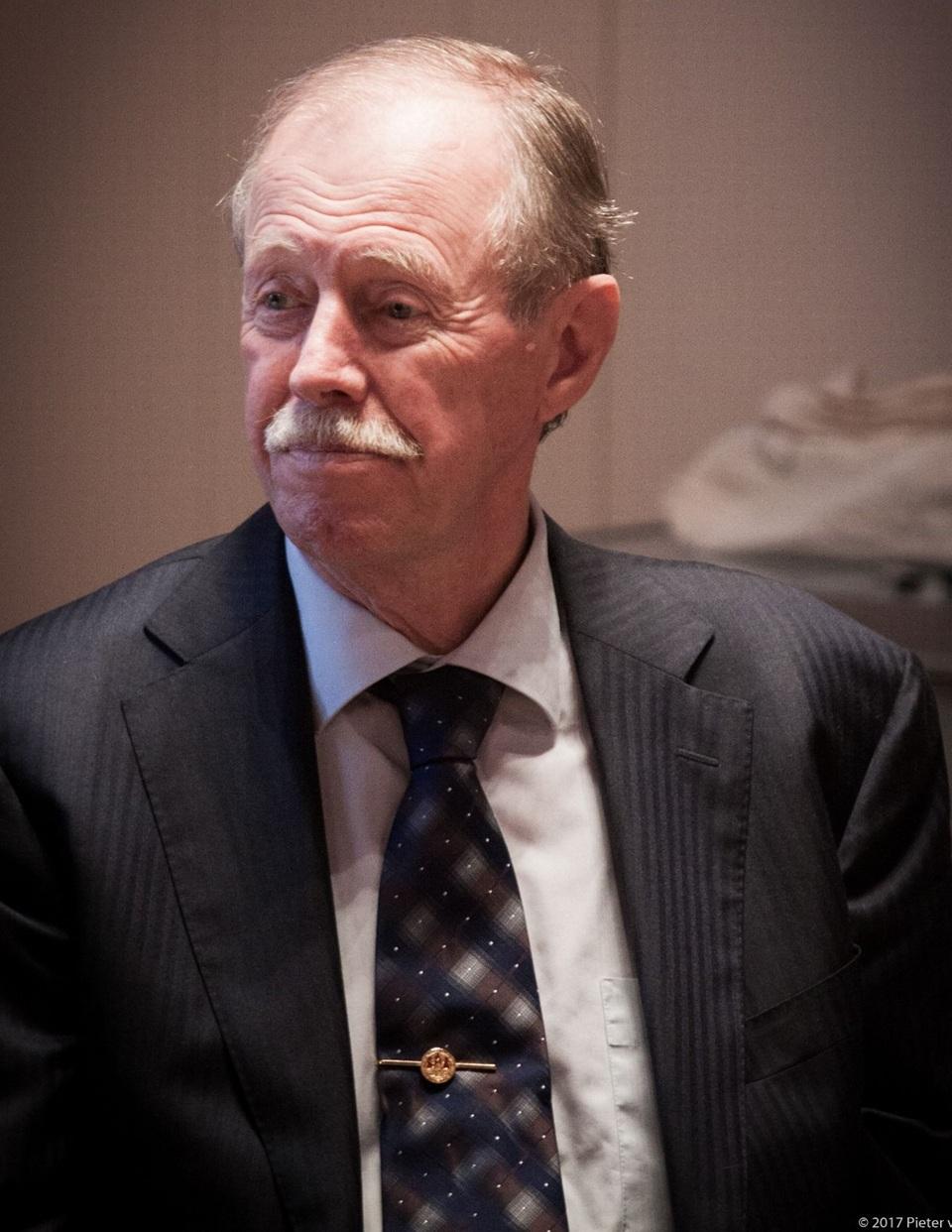
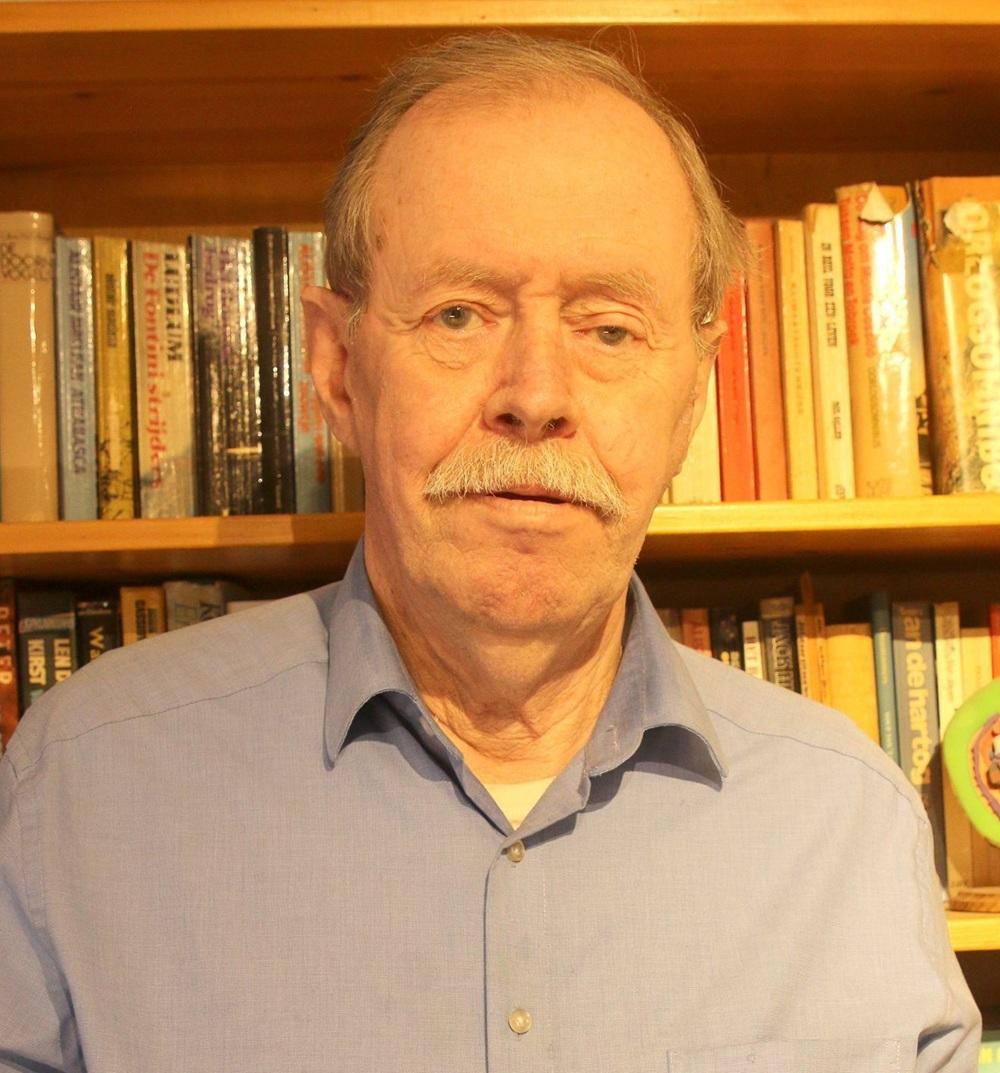
Kees de Jong was a distinguished anatomist and embryologist whose influence reached across generations of students and colleagues, as well as the international plastination community. After obtaining his MD from the University of Amsterdam, he chose to devote his career to anatomy and embryology, disciplines in which he would remain active for more than four decades. He spent most of his professional life at Amsterdam UMC, in the Department of Medical Biology, section of Clinical Anatomy and Embryology, where he became a cornerstone of anatomical education.
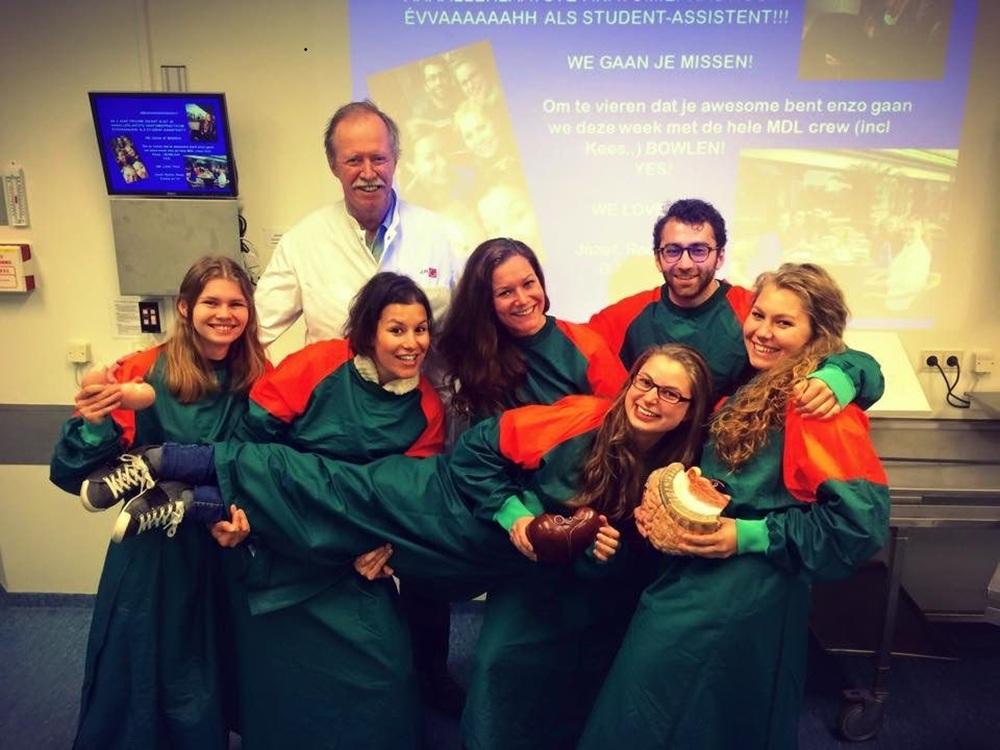
He was widely recognized as an exceptional teacher of gross anatomy, guiding students through the complexities of the human body with clarity, precision, and a strong sense of structure. His explanations, often introduced with the disarming phrase “Oh, but that is very simple,” revealed not only anatomical detail but also the underlying logic and coherence of the human body. He combined rigor with accessibility, maintaining high standards while remaining deeply committed to the development of his students.
in memoriam; Kees de Jong;
Bernadette de Bakker, Department of Obstetrics & Gynecology, The Dutch Fetal Biobank, Location AMC, Meibergdreef 15, 1105 AZ, Amsterdam
T: (+31) 20 56 65258 | M: (+31) 6 50063079 | E: b.s.debakker@amsterdamumc.nl





Kees de Jong was a distinguished anatomist and embryologist whose influence reached across generations of students and colleagues, as well as the international plastination community. After obtaining his MD from the University of Amsterdam, he chose to devote his career to anatomy and embryology, disciplines in which he would remain active for more than four decades. He spent most of his professional life at Amsterdam UMC, in the Department of Medical Biology, section of Clinical Anatomy and Embryology, where he became a cornerstone of anatomical education.
He was widely recognized as an exceptional teacher of gross anatomy, guiding students through the complexities of the human body with clarity, precision, and a strong sense of structure. His explanations, often introduced with the disarming phrase “Oh, but that is very simple,” revealed not only anatomical detail but also the underlying logic and coherence of the human body. He combined rigor with accessibility, maintaining high standards while remaining deeply committed to the development of his students.
What set Kees apart, however, was his extraordinary expertise in embryology. He possessed a rare ability to visualize and interpret the dynamic processes of human development in three dimensions, translating complexity into understanding. His contributions to the development of the 3D Embryo Atlas and the 3D Fetal Atlas stand as enduring examples of this expertise. Even after his retirement, he remained closely involved in these projects, offering insight, refinement, and guidance with characteristic patience and precision. To many, he was not only a teacher of embryology, but a mentor in how to truly see developmental anatomy.
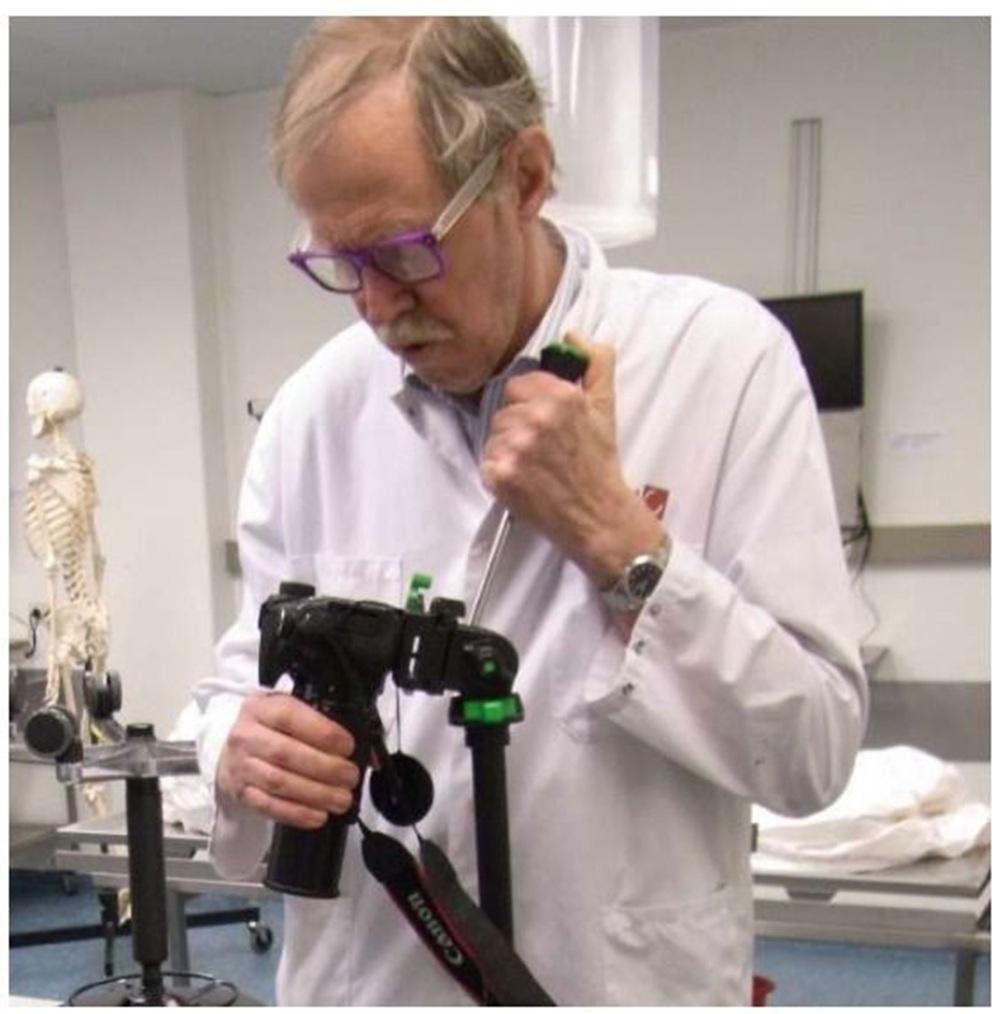
Within the field of plastination, Kees was a highly valued and internationally engaged colleague. He contributed actively to plastination workshops and training courses, most notably in Murcia, Spain, where his presence left a lasting impression. Colleagues at the Department of Veterinary Anatomy of the University of Murcia expressed their deep gratitude for his generosity, warmth, and continued support, emphasizing the impact he had on both teaching practices and the communication of anatomical knowledge. His work in plastination was characterized by careful attention to anatomical detail and a strong didactic focus, bridging technical skill with educational purpose.
Following his retirement, Kees continued to share his expertise internationally, including his work as a teacher of human anatomy and plastination at Zhejiang University Medical School in Hangzhou, China. There, as elsewhere, he was appreciated not only for his knowledge, but for his openness, humility, and willingness to support colleagues and students alike.
The news of his passing was met with profound sadness and disbelief. A shockwave moved through the international plastination community, accompanied by an outpouring of condolences and tributes from colleagues across Europe, Asia, and beyond. These messages reflected a shared recognition of Kees not only as a skilled anatomist and plastinator, but as a generous collaborator and a trusted friend.
Despite his expertise, Kees remained a remarkably modest individual. He was direct, sincere, and without pretense; qualities that earned him both respect and affection. He spoke openly about his concerns regarding the diminishing role of anatomy in modern medical curricula, driven by a deeply held conviction that a solid anatomical foundation is essential for clinical practice.
Beyond his professional accomplishments, Kees will be remembered for his humanity. He was a man of warmth, humor, and generosity, who valued collegiality and genuine connection. His presence enriched not only the classroom and laboratory, but also the broader communities of which he was a part. Even after retiring, he remained actively engaged, continuing to follow, support, and advise former students and colleagues. His dedication to anatomy and education never diminished.
With his passing, the field of plastination has lost a knowledgeable and committed colleague, and many have lost a mentor and friend. His legacy endures in the educational tools he helped shape, in the knowledge he shared, and in the many individuals he inspired across the world.
 |
 |
 |
 |
.

